
Garment Care
How to handle damp clothes in humid Hong Kong weather? Air-drying, tumble-drying, and troubleshooting musty odors
Key Summary
On humid days when clothes are hard to dry, follow the care label first, reduce crowding, and check thick edges, pockets, and seams. When using equipment, follow the machine's safety instructions; do not apply heat arbitrarily. Do not store damp clothes in sealed cabinets; fragrance and surface dryness do not guarantee the item is fully dried through.
Why do pockets and waistbands still feel damp when the body of the garment is dry?
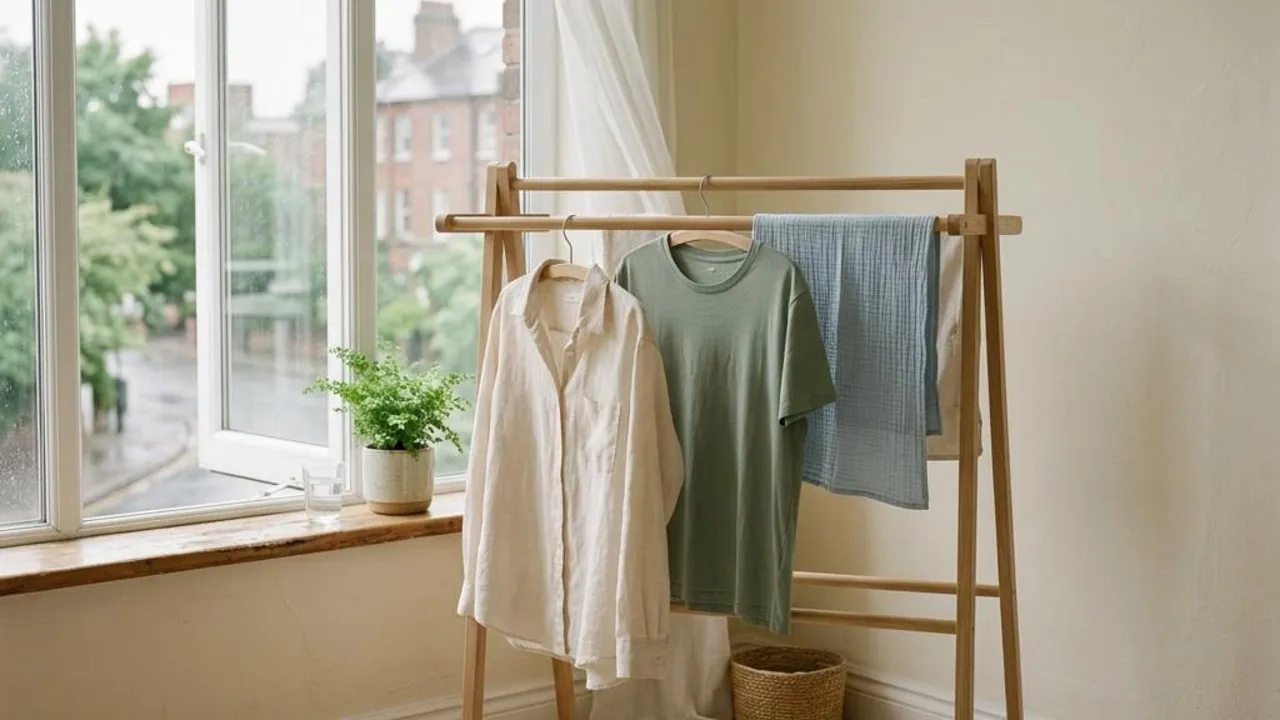
Clothes have varying thicknesses in different areas; waistbands, pocket lining, hat brims, and thick seams may dry slower than the surface. Stacking clothes tightly or in thick layers can keep the center damp; do not judge if an item is ready for storage just by feeling the thinnest corner.
Distinguish restrictions piece by piece: hang-dry, flat-dry, low-heat tumble dry, and no-tumble-dry are not the same. When drying space is limited, do not hang flat-dry-required wet knits on thin hangers to save space.
What basic arrangements should be improved for drying clothes at home?
Organize in batches based on labels and available space, avoiding placing wet clothes tightly against walls or packed closely together. When using dehumidifiers, fans, or dryers, follow the equipment instructions and electrical safety requirements; do not let clothing block air intake/outlets or contact unsuitable heat sources.
- Check drying symbols before hanging. Items requiring air-drying or flat-drying will be handled separately.
- Check thick and thin garments separately; they will not all dry in the same amount of time.
- Leave space between garments, and adjust folds and pocket linings as needed.
- Clean and maintain equipment according to the manufacturer's guidelines, and do not use clothing to cover heaters for trial drying.
Can a tumble dryer solve all laundry issues?
No. Tumble drying symbols and heat limits must be read independently; you cannot assume full wash-and-dry cycles are suitable just because an item is washable. Items with membranes, elasticity, prints, and bonded structures may not be suitable for general tumble drying.
GINETEX distinguishes between air drying and tumble drying. If the label requires flat drying or prohibits tumble drying, and you lack the proper environment, consult us regarding alternative arrangements rather than risking damage by using high heat to speed up the process.
Do clothes have a musty smell? Is spraying fragrance or tumble drying again enough?
Fragrance does not prove that soil and moisture have been addressed; re-heating cannot replace a thorough check of the washing, drying, and storage steps. Check if items were left in the machine too long, if thick seams are still damp, or if items were stored in a damp closet or with wet towels. Re-assess based on the label if re-cleaning is required.
If there is visible mold, abnormal stains, or persistent dampness, isolate the affected items from clean clothing and contact us. Standard laundry cannot guarantee the removal of all mold and is not a substitute for leak remediation or health treatments.
Should I seal laundry in a bag if it's still damp from morning washing and not dry by evening?
Towels and thick hoodies may feel dry after a day, yet retain damp hoods, hems or folds. Tell our team which items are damp and when they became wet to confirm acceptance and packing. Avoid prolonged sealing of damp items.
Items go to our laundry facility after collection. Tell our team any required date when enquiring so we can confirm collection and return times.
How can I prevent moisture buildup after receiving clean laundry?
Check inside the bag and along thick folds, then hang or fold items as their construction allows. Keep packages away from corners with condensation. Clothes should be fully dry before going into a wardrobe; on rainy days, check thick edges and folds for trapped moisture too.
If the same cupboard repeatedly causes odors in different clothing, the environment should be checked; this cannot be solved by endless re-washing. Whether to use moisture-proof products should be based on product instructions, and you must also prevent leakage of contents onto the fabric.
Additional Information
American Cleaning Institute: Laundry Basics
Read about sorting laundry, checking pockets, drying and storage to help with everyday care. When arranging a collection, share the care labels and any details we should know about your items.
GINETEX: Garment Care Symbols and Process Limitations
For reference regarding washing, bleaching, drying, ironing, and professional cleaning symbols; individual garments are still subject to their full labels and brand guidelines.
FAQ
Is it essential to use high-heat tumble drying on humid days?
No. Drying methods and heat levels are determined by the garment label; high temperatures may not be suitable for elastic, membranes, prints, and delicate items. Do not override instructions to save time.
Can I fold clothes into the closet if only the pockets are not yet dry?
Not recommended. When pockets, waistbands, and seams still contain moisture, do not judge dryness by the surface alone. Follow the label to ensure they are fully dried to avoid storing damp folds sealed.
Does adding scent beads to musty clothes mean the cleaning is finished?
No. Fragrance only changes the perception of scent; it is not proof that dirt, residue, or moisture have been treated. First check your washing, drying, and wardrobe environment instead of repeatedly adding products to mask the smell.
Can wet clothes be sealed for several days before pickup?
Do not leave items damp for long periods. If they are soaked through or have odors, disclose the type and condition of the clothing before booking and confirm whether we can accept them and how they should be handed over; do not assume standard arrangements apply to all damp items.
Does Laundry Pickup & Delivery include on-site drying at my home?
This is not our current service model. Garments are collected via Laundry Pickup & Delivery, then taken to the laundry facility for cleaning, drying, and finishing before being returned; whether we accept special styles and the actual time slots must be confirmed by customer service.