
Stain Science
Protein Stains vs. Tannin Stains: Two Distinct Types of Stains
Key Summary
Blood stains are sensitive to heat, tea stains are sensitive to delay—understand the composition of the stain to know the right first step.
Protein-based
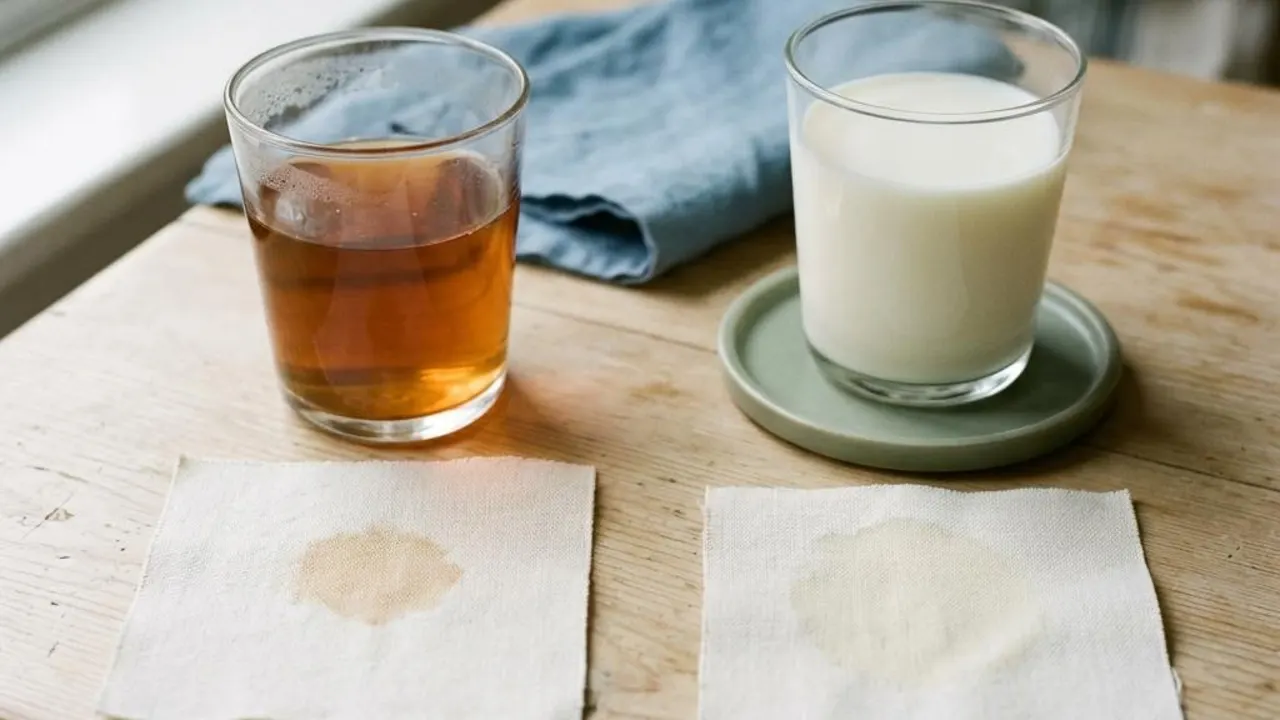
Blood, milk, eggs, and sweat all contain protein. High temperatures cause protein to coagulate and bond firmly to fibers, so use cold water when treating them.
Denim
Tea, coffee, red wine, and some fruit juices contain tannins, which are plant pigments. The longer they remain, the more easily they oxidize into stubborn yellowish-brown stains.
Conclusion
Different stains require different treatments, which explains why specialist stain removal requires an initial assessment and why we cannot guarantee that all stains can be removed.
Real-world stains often consist of more than one substance.
In addition to tea pigment, milk tea may also contain milk fats, proteins, and sugar; meat juices may contain oil, seasoning pigments, and proteins. Categorizing stains simply as protein or tannin is a starting point for understanding the treatment direction, not a chemical formula that can be directly applied to all garments.
The duration of the stain, whether it has been sun-dried or tumble-dried, fabric color, and products previously used all affect the outcome. For coffee, the risks involved for a fresh stain on a cotton T-shirt differ from those for a dried stain on a silk top.
Being heat-sensitive does not mean any garment can be directly washed with cold water.
Avoid heat on protein-based stains. Water can still leave rings, cause dyes to run or distort dry-clean-only garments. Check the care label first; if you are unsure, gently blot surface liquid with a dry white cloth and ask us before doing more. The usual advice to use cold water on blood does not override a garment's care instructions.
Even for washable, colorfast clothing, avoid scrubbing hard or soaking for long periods. If you have already treated the item with hot water, an iron, or a dryer, please let us know; this information is more helpful than just photos of the stain.
How to distinguish between residual stains and color damage?
A stain is foreign matter on the fabric surface, while fading may be due to damage to the original dyes. Areas lightened by bleaching, whitened by friction, or shiny marks from high heat are not necessarily dirt that can be washed away, even if they look like stains.
Specialist stain removal is assessed with fabric, dye, and trim safety in mind; we do not use overly harsh chemicals in an infinite pursuit of perfection. Please provide full-garment photos, close-ups, labels, and the history of the stain when inquiring to confirm risks and quotes.
FAQ
What should I know about Real-world stains often consist of more than one substance.?
In addition to tea pigment, milk tea may also contain milk fats, proteins, and sugar; meat juices may contain oil, seasoning pigments, and proteins. Categorizing stains simply as protein or tannin is a starting point for understanding the treatment direction, not a chemical formula that can be directly applied to all garments.
What should I know about Being heat-sensitive does not mean any garment can be directly washed with cold water.?
Avoid heat on protein-based stains. Water can still leave rings, cause dyes to run or distort dry-clean-only garments. Check the care label first; if you are unsure, gently blot surface liquid with a dry white cloth and ask us before doing more. The usual advice to use cold water on blood does not override a garment's care instructions.
How to distinguish between residual stains and color damage?
A stain is foreign matter on the fabric surface, while fading may be due to damage to the original dyes. Areas lightened by bleaching, whitened by friction, or shiny marks from high heat are not necessarily dirt that can be washed away, even if they look like stains.