
Stain Science
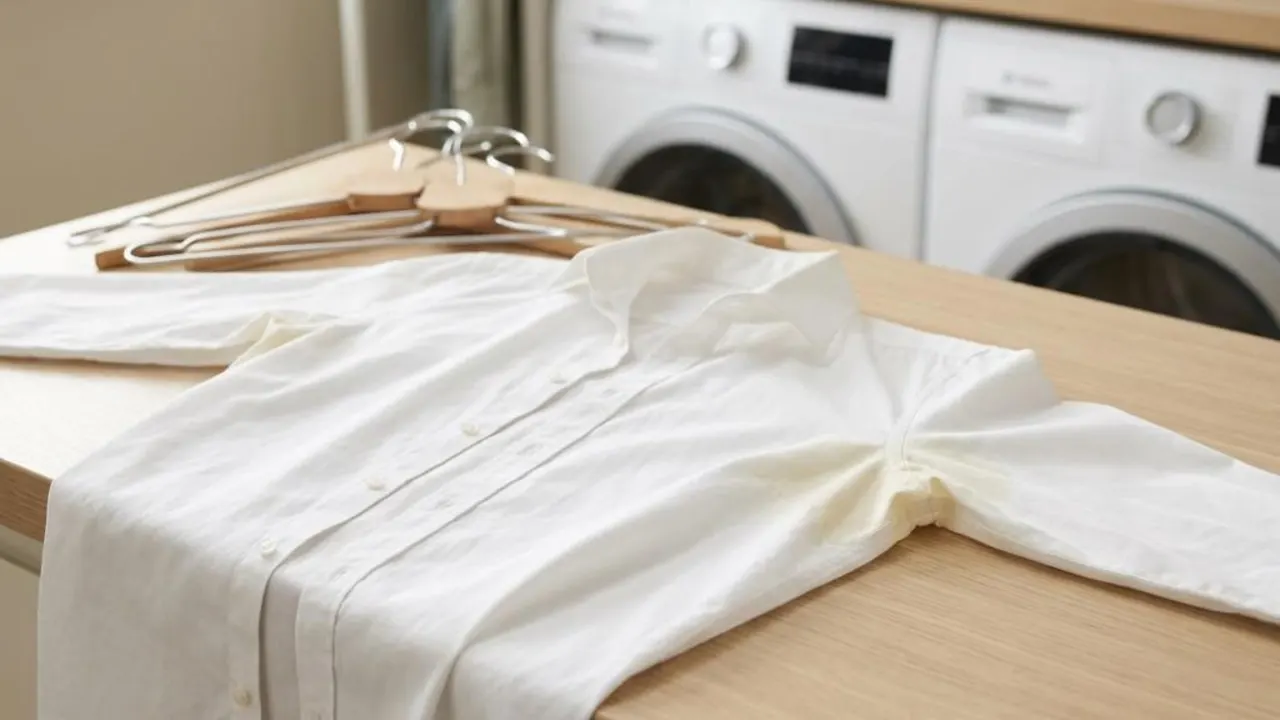
Why do white shirts turn yellow?
Key Summary
Sebum oxidation, antiperspirant residue, and storage conditions are the three main causes of white clothes turning yellow.
Sebum oxidation
Collars and cuffs are in constant contact with skin. When skin oils are not fully removed, they slowly oxidize, creating yellow stains.
Antiperspirant
Some antiperspirants contain aluminum salts, which, when combined with sweat, leave yellow hard stains in the underarm area.
Storage Environment
Damp and non-breathable environments accelerate yellowing. Thoroughly cleaning and keeping items dry before storage is the best prevention.
Check yellowing areas first, don't rush to bleach the whole item
Collars and cuffs often contact skin oils, while underarms may contain residue from sweat and antiperspirant. Uniform yellowing across a garment, localized hard spots, or stains appearing after storage may have different causes. Noting the position, texture, and time of appearance helps narrow down the assessment.
Just because a garment is white does not mean it can be bleached. Wool, silk, elastane, prints, buttons, and finishing treatments may have limitations. Always check the bleach symbols and text instructions. Items containing chlorine, in particular, should not be treated with bleach simply because they are white.
Why do clothes look clean but develop yellow spots after sitting for months?
Small traces of sweat, sebum, or beverage residues may not be visible upon storage, but time and environment can make color changes more apparent. If clothes are stored damp in an unventilated wardrobe, mold odors may also develop; these should not be treated as identical yellow stains.
Before seasonal storage, check collars, underarms, and fronts. Wash and dry completely according to labels before placing in appropriate storage. Moisture absorbers help manage humidity but cannot remove dirt already embedded in fibers.
Restored cleanliness does not guarantee the restoration of original whiteness.
Damage from fiber aging, chemical changes in dyeing, or previous bleaching may be irreversible. Repeated brushing may cause collars to thin or pill; even if yellow stains lighten, it may impact the garment's lifespan, so a balance between results and wear must be considered.
Before sending for laundry, explain how long the items have been stored, whether you used antiperspirant, or if they have been bleached or tumble-dried, and take photos of care labels. Specialist Stain Removal must be assessed first; do not assume standard laundry or white garment cleaning guarantees full restoration.
FAQ
What should I know about Check yellowing areas first, don't rush to bleach the whole item?
Collars and cuffs often contact skin oils, while underarms may contain residue from sweat and antiperspirant. Uniform yellowing across a garment, localized hard spots, or stains appearing after storage may have different causes. Noting the position, texture, and time of appearance helps narrow down the assessment.
Why do clothes look clean but develop yellow spots after sitting for months?
Small traces of sweat, sebum, or beverage residues may not be visible upon storage, but time and environment can make color changes more apparent. If clothes are stored damp in an unventilated wardrobe, mold odors may also develop; these should not be treated as identical yellow stains.
What should I know about Restored cleanliness does not guarantee the restoration of original whiteness.?
Damage from fiber aging, chemical changes in dyeing, or previous bleaching may be irreversible. Repeated brushing may cause collars to thin or pill; even if yellow stains lighten, it may impact the garment's lifespan, so a balance between results and wear must be considered.