
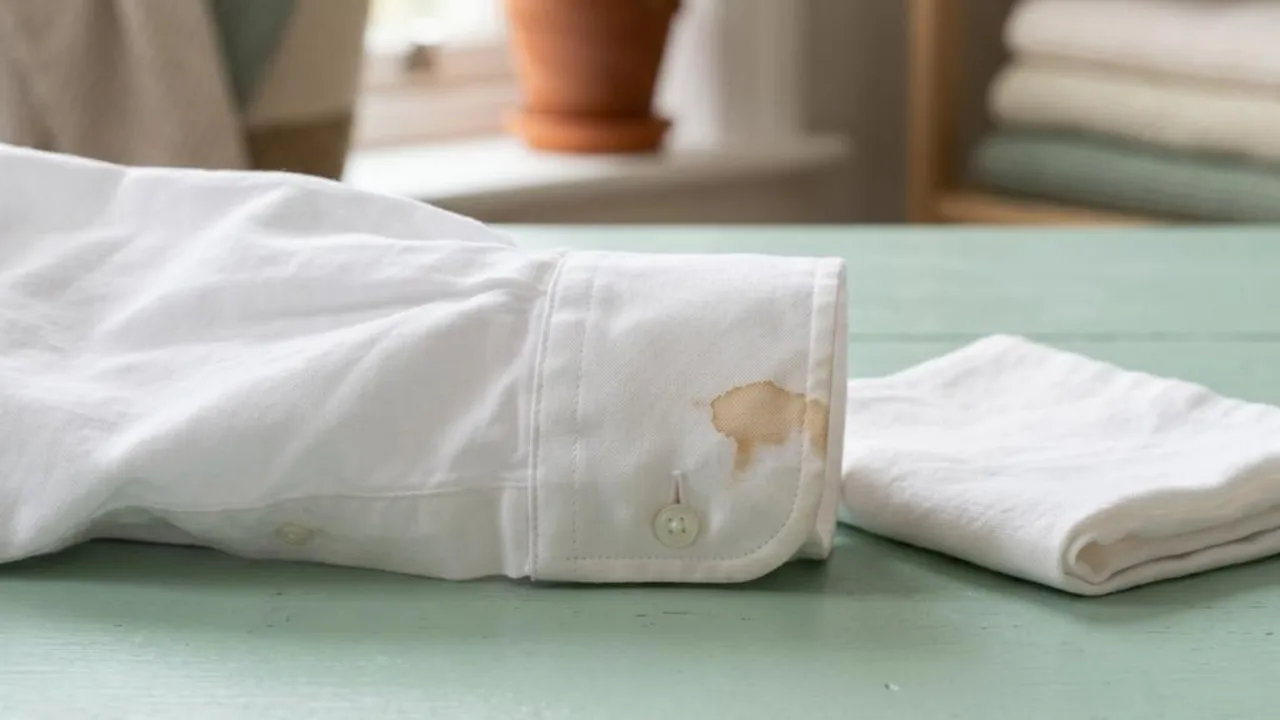
Garment Care
How to Treat Coffee and Milk Tea Stains: Check the Ingredients and Care Label
Key Summary
For coffee or tea stains, first check the care label to see if the garment is water-safe: if suitable, gently press the surface liquid with a clean white cloth, avoiding large-area rubbing; for silk, dry-clean-only, or color-unstable items, do not add water or agents. Note if milk, sugar, or prior treatments were applied; do not dry or iron beforehand.
Why should black coffee, latte, and milk tea be described separately?
Brown stains may contain tea/coffee pigments, syrups, milk, cream, etc. Cleaning staff need the beverage composition, not just visual color; milk tea on cotton vs. silk requires different handling.
If you do not remember the specific ingredients, you may state the name of the beverage and the general situation; there is no need to personally diagnose the type of chemical stain. ACI documentation provides specific instructions based on stain types and advises checking garment restrictions first; do not apply a single stain removal home remedy to all garments.
Just spilled a drink: Should you blot or rinse?
Move away from potential heat sources and ensure personal safety first, then check clothing labels and materials. For fabrics suitable for this treatment with stable dyes, use a clean white cloth to gently press on excess liquid; do not wipe back and forth, twist forcefully, or use hot air to dry it off.
For dry-clean-only items, silk, coated fabrics, leather trim, or uncertain items, do not use general cold-water washing methods. Do not use colored tissues, alcohol wipes, or hand sanitizer as a 'risk-free' alternative.
When should you stop if water rings, color bleeding, or pilling occur?
Stop treatment if the white fabric stains pick up the original color of the garment, the edges of the mark expand, the surface loses its luster, or pilling begins. These may already involve changes to the garment itself, not just an unwashed drink stain; adding more concentrated product will not necessarily solve it.
Do not repeatedly wet and dry to check effects, nor immediately layer another product if one is ineffective. ACI safety data reminds us not to mix cleaning products arbitrarily; garment loss cannot be a reason for risky chemical testing.
What are the five essential data points when asking customer service about beverage stains?
Photos cannot capture all fiber details or past treatments; written records are equally important. Keep the whole item and take close-ups so the other party can see the stain area, color blocking, and decorations, rather than just sending a partial image without scale.
- Garment type, material details, and complete labels.
- Type of drink, and whether it contains milk, sugar, alcohol, or other ingredients.
- Time of occurrence and whether it has naturally dried.
- The use of water, wet wipes, products, and the sequence of actions.
- Whether it has been tumble dried or ironed, and the date it needs to be worn again.
Is there really no chance if it has already been washed or ironed?
You cannot determine the result based only on the words "already washed", but you must truthfully disclose the heat and products used. Some residual stains may be harder to treat after drying or heating; there may also be mixed fading, changes in luster, or old damage; we cannot guarantee recovery after Specialist Stain Removal.
If milk tea spilled on a colour-block top with a white background, and you wiped it with a wet tissue before tumble-drying it, tell our team in that order so we understand the stain and any previous treatment.
How can I distinguish between standard laundry and specialist stain removal during inquiries?
Standard laundry does not equal an additional process that guarantees the removal of every beverage stain. Send information first to assess whether it is suitable for acceptance, the treatment direction, and the costs; silk or dry-clean-only items cannot be changed to standard pound-laundry just because a tea stain needs to be treated.
Items must be confirmed by customer service before processing; original wear and tear and service records will be retained. Starting prices on our website are not all-inclusive for every brand, style, or stain type, nor do we guarantee the total removal of all stains.
Understand Specialist Stain Removal services and limitations
Additional Information
American Cleaning Institute: Stain Removal Guide
Explain treatment differences based on stain type and check before drying; different materials have different limitations, so it is not appropriate to apply all stain removal formulas directly.
American Cleaning Institute: Laundry Safety Tips
Cleaning products must be kept in their original packaging, away from children, and used according to the product label; never mix cleaning products arbitrarily.
FAQ
Can black coffee stains and milk tea stains be treated using the same method?
This cannot be generalized. Milk, sugar, cream, and other ingredients may coexist; given different garment materials, assess according to the label and actual composition rather than just looking at the stain color.
If milk tea is spilled on silk, can I rinse it with cold water immediately?
Do not assume that methods for everyday fabrics are suitable. Silk dyes, mixed-fabric panels and care-label restrictions may make spot treatment with water unsuitable. If unsure, leave the item as it is, take photos and consult a professional first.
Can tea stains be blow-dried with hot air and washed after returning home?
Do not actively heat. Some residual stains may be harder to remove after drying or ironing. You should decide based on the label and current state, rather than treating drying as an innocuous transition step.
When wiping off coffee stains, the original color of the clothing transfers to the white cloth—should I continue?
Stop. This may involve dye migration or fabric changes; further rubbing, soaking, and applying chemicals may exacerbate the problem. Retain the condition and explain steps already taken.
My coffee stain is a week old; can it definitely be removed by dry cleaning?
Not always. The drink, the fabric and dyes, how old the stain is and any previous washing or drying all affect the result. We need to assess whether the mark is a stain, colour loss or existing damage before recommending treatment.