
Garment Care
Stain First Aid: What to Do Before Sending Items for Cleaning
Key Summary
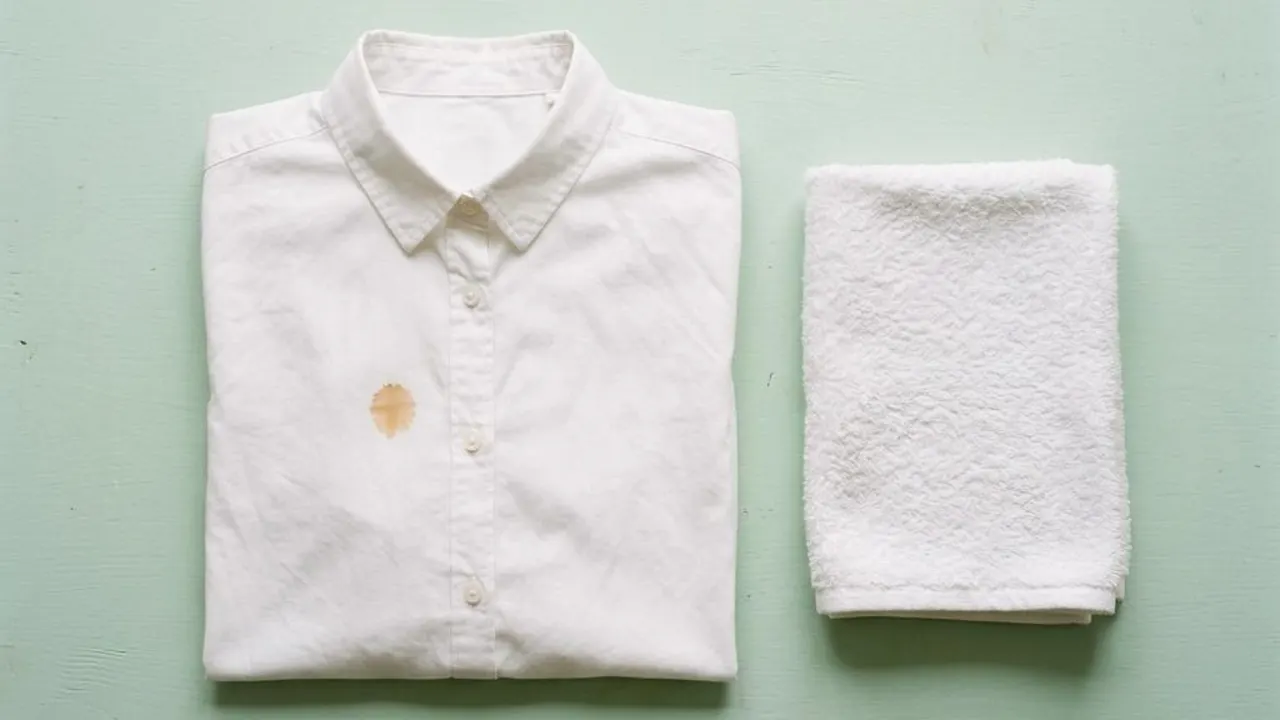
Before treating a stain, check the care label. If the fabric can be washed and its dyes do not run, gently blot surface liquid with a clean white cloth. Do not add water or cleaning products to delicate, coated or dry-clean-only items. Avoid rubbing or applying heat, never mix cleaners, and tell us what caused the stain and anything you have already tried.
Things you can do
Check label and condition; for suitable fabrics, press gently with a clean white cloth to absorb liquid and prevent spreading. Do not apply water or stain removal methods directly to dry-clean-only, delicate, coated, or unstable dye items.
- Blot gently if treatable; do not scrub hard
- Note the source of the stain and when it occurred
- Take photos for inquiries
Things to avoid
Hot water and irons may set protein-based stains (e.g., blood, egg); self-applied bleach may damage colors.
- Do not rinse with hot water
- Do not iron over stained areas
- Do not mix different cleaning agents
Leave it to professional assessment
Our specialist stain removal service begins with an assessment of the stain and fabric before discussing the approach with you. Please understand that not all stains can be completely removed.
Check the care label before treating a stain
For machine-washable, colorfast fabrics, use a clean white cloth to gently blot away liquids. If there is solid residue, carefully lift it off the surface; do not press it into the fibers. For silk, wool, leather, coated items, or dry-clean-only garments, stop adding water or cleaning products and consult a professional.
Even a small drop of coffee can cause rings or dye migration. Do not rub vigorously with colored tissues; dye transfer from tissues, friction, and spreading can make minor stains harder to remove.
When sending photos, please include four pieces of information
Photos should include the entire garment, a close-up of the stain, and the complete care label. Take photos under natural light and do not pre-soak the garment to make the stain appear clearer. Inform customer service about the source of the stain, when it occurred, whether it has been washed or tumble-dried, and what products have been used. Assessing a garment as 'bleached' versus 'blotted with a paper towel' will change the evaluation.
- If the source is unknown, state clearly that it is unknown; do not guess.
- Note if hot water, iron, or tumble dryer was used
- Fading, pilling, or damage must also be reported.
When should you immediately stop attempting DIY stain removal?
If a white cloth picks up the original color, water rings appear around the stain, or the fabric becomes rough and pills after light dabbing, stop rubbing and adding chemicals. Do not rotate between using vinegar, bleach, alcohol, and different stain removers; never mix cleaning agents as some combinations produce dangerous gases.
The goal of stain removal is to fade stains within acceptable risk limits, not to sacrifice the fabric in pursuit of total removal. Bleached discoloration, fiber burns, or damaged dyes are generally not issues that can be fixed by repeating the cleaning process.
Why can't coffee, cooking oil, and blood stains be treated with the same first-aid method?
Drinks may contain pigments, sugar, milk, and oils, while cooking oil and blood stains have different compositions. ACI stain removal data categorizes stains, showing no single household formula covers all cases. Always check both care labels and product instructions; do not decide to soak or bleach based on the stain name alone.
- Drink stains: Record whether they contain milk, sugar, or alcohol to avoid repeated scrubbing over large areas.
- Oil stains: Do not try to blow-dry with hot air or iron out the oil mark; assess delicate fabrics first.
- Blood or milk stains: avoid hot water or heat first; suitability of cold water still depends on the garment label.
- Source unknown: state clearly that it is unknown and list the products already used; do not try to find an answer by trial and error with various agents.
What should I tell you if I have already tried treating a stain?
Specify the sequence of actions clearly, such as blotting with a paper towel first, rinsing with cold water, and then using a specific stain remover. State if the item has been ironed or tumble-dried. Providing product names or photos of packaging is more helpful for assessment than just saying 'used detergent.' Avoid adding more chemicals or soaking the item just to capture a clear photo.
ACI's safety warnings advise against mixing cleaning products. This guide does not provide formulas for mixing bleach with acidic or ammonia-containing products. If you detect irritating odors or experience physical discomfort, leave the area immediately and seek emergency assistance; do not attempt to continue laundry procedures.
Additional Information
American Cleaning Institute: Stain Removal Guide
Explain treatment differences based on stain type and check before drying; different materials have different limitations, so it is not appropriate to apply all stain removal formulas directly.
American Cleaning Institute: Laundry Safety Tips
Cleaning products must be kept in their original packaging, away from children, and used according to the product label; never mix cleaning products arbitrarily.
FAQ
Should all stains be rinsed with water immediately?
No. For items that are dry-clean only, silk, leather, coated, or have unstable colorfastness, adding water can cause water rings, dye transfer, or other changes; check the label, and if unsure, keep as is and inquire.
If the stain hasn't disappeared, can I tumble-dry it and wash it again?
Do not treat heating as a test. Some stains become harder to remove after drying or ironing. Assess based on the label and products already used before deciding if further cleaning is appropriate.
Can white vinegar, bleach, and stain removers be used interchangeably or mixed?
Do not mix different cleaning products, and do not repeatedly add chemicals without understanding the residue. Some combinations generate dangerous gases; stain issues should not override personal safety.
Should I continue if the white cloth is stained with the garment's original color during light dabbing?
Stop treating it yourself. This may involve dye migration; further rubbing, soaking, or applying chemicals may increase damage. Retain the current condition and explain it to professional staff.
Will old stains sent for specialist stain removal definitely disappear?
We cannot guarantee complete removal. Results depend on the stain, how long it has been there, the fabric and dyes, and previous treatments. Stain removal cannot repair colour lost to bleach or damaged fibres.