
Garment Care
Delicate garment protection: lace, knitwear, and embellished items
Key Summary
For lace, thin knitwear, and beaded items, check the entire label, seams, and attachment methods for decorations before deciding whether they can be machine-washed, dry-cleaned, or heated. Mesh bags only reduce some snagging and cannot override restrictions like 'do not wash' or 'do not tumble dry'. Items with missing labels or loose components should be assessed first.
Identifying delicate garments
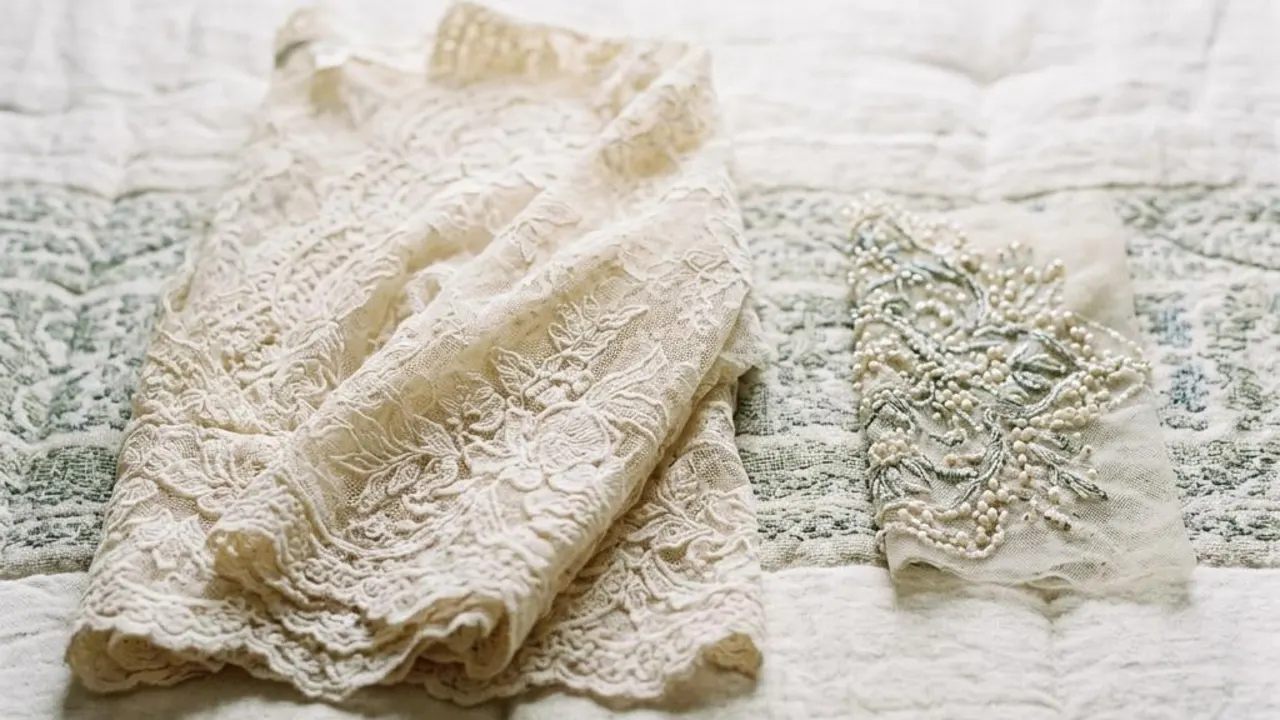
Lace, chiffon, knitwear, beaded, or embroidered garments are all delicate items that require gentle handling. A horizontal line under a care symbol is also a reminder.
Use laundry mesh bags
If you have laundry mesh bags at home, you can put delicate items in them beforehand and mention this during the handover.
Knitwear
Some knitwear is prone to stretching when wet; follow the label for drying instructions. Do not use thin hangers if flat drying is specified. Wool knitwear also has specific washing and professional care requirements and cannot always be dry-cleaned.
Tell us
If you have items that require special attention, please tell our customer service directly. We would rather ask one extra question than experience a misunderstanding after treatment.
Risks for delicate garments extend beyond the surface
Sequins may be glued on, lace and base fabrics may have different shrinkage rates, and elastic knits may stretch due to weight. Please check inner seams, decorative attachment points, and straps for looseness. If there is already damage, please take photos and inform customer service to avoid confusing pre-existing wear with the cleaning results.
Viscose, silk, or thin blended fabrics without obvious decorations may also require very gentle processing. Do not place them in standard wash-by-weight bags just because they feel like regular cotton.
Mesh bags can prevent snagging but cannot change washing restrictions
Mesh bags primarily reduce direct contact and entanglement, but they cannot block water temperature, detergent, spin intensity, or dryer heat. Therefore, items that are dry-clean-only, cannot be machine-dried, or have unstable embellishments will not become suitable for machine washing or drying simply by being placed in a mesh bag.
If the label permits home laundering, please follow the procedure and drying method; do not wring knitwear or hang heavy wet woolens on thin hangers. Fabrics that have already stretched or lost their elasticity may not recover their original dimensions after washing.
Instructions before sending gowns and commemorative clothing
Provide close-up photos of the entire item, labels, and decorations, and state if it has been altered, dyed, decorated with adhesives, or treated for stains by yourself. For evening gowns, wedding attire, or sentimental items, inquire about the scope of treatment and potential risks before deciding to send for cleaning.
If there is no label or clear brand cleaning instructions, do not test with hot water or detergent on visible areas yourself. Please place items that require customer service assessment separately and do not mix them with general items ready for direct processing.
Which details are more important to declare before pickup than the fabric name?
A single top may feature lace, elastic lining, and adhesive sequins; the most fragile part is not always the largest. Inspect straps, waistlines, zippers, and decorative points. Specify removable parts and do not assume all trimmings handle the same process.
If bubbling, sticky coatings, discolored sequins, or loose threads occur, photograph the condition before inquiring. Do not attempt to glue or cover with chemicals. Cleaning cannot guarantee the restoration of original elasticity or adhesive strength. For items with sentimental value, please discuss acceptable risks rather than just comparing laundry prices.
What else should I watch out for when drying hand-washable knitwear?
Being water-safe and hang-dryable are different. Wet weight can stretch knits; if the label specifies flat-drying, do not hang with thin hangers. Do not replace specified drying methods with high-heat machine drying.
Woolmark's wool care guide treats washing and drying separately and requires checking the garment label first. If your home environment cannot support the required process, consult us for professional care rather than assuming every step is suitable just because your washing machine has a 'delicate' cycle.
Additional Information
GINETEX: Garment Care Symbols and Process Limitations
For reference regarding washing, bleaching, drying, ironing, and professional cleaning symbols; individual garments are still subject to their full labels and brand guidelines.
Specify cleaning and drying methods based on wool garment care labels; not all wool items follow the same procedure.
FAQ
Can I machine wash lace if I put it in a laundry mesh bag?
Not necessarily. Mesh bags do not block water temperature, cleaning agents, or heat. Always check care labels and structural decorations; items that are prohibited from machine washing or require special care must not be treated with standard cycles.
Are sequins and glued decorations always unsuitable for dry cleaning?
This cannot be generalized. Different materials and fastening methods react differently to solvents, heat, and friction; you should provide labels and close-up photos for professional evaluation. Do not rely solely on appearance to guarantee safety.
Can knit sweaters be hung on hangers immediately after washing?
Check the drying instructions. Items labeled 'dry flat' should not be hung while wet and heavy, as this may cause stretching or shoulder bumps; 'machine washable' does not mean it can be dried in any manner.
Can a dress with loose threads be sent for cleaning as usual?
Point out locations of loose threads, holes, and loose decorations first, confirming suitability for acceptance and if prior handling is needed. Cleaning cannot replace repairs and cannot guarantee existing weak points won't worsen.
How should I decide what to do for commemorative items without tags?
Find brand, material, and past care information first, provide photos of the whole item and details, and discuss risks and feasible methods. If unsure, pause treatment; it is safer than DIY testing or washing in visible areas.