
Categorization Tips
Sportswear Care: Sweat-wicking fabrics and odor treatment
Key Summary
Do not leave wet sportswear in a gym bag for long periods after wearing; clean according to the label or ventilate. Pay attention to elastic fibers, prints, waterproof layers, and drying restrictions. Sweat odors should not be masked solely by adding extra detergent or fabric softener. Cleaning cannot guarantee the restoration of aged elasticity or functional coatings.
Avoid keeping wet clothes sealed for a long time
Do not leave wet sportswear in a gym bag for long periods; clean according to the label. If you cannot process them immediately, ventilate them in a suitable place to reduce dampness. Inquire separately about special contamination or items with electronic accessories.
Avoid high temperatures
Spandex and moisture-wicking fabrics can easily lose elasticity under high heat; please refer to the label.
Separate from towels
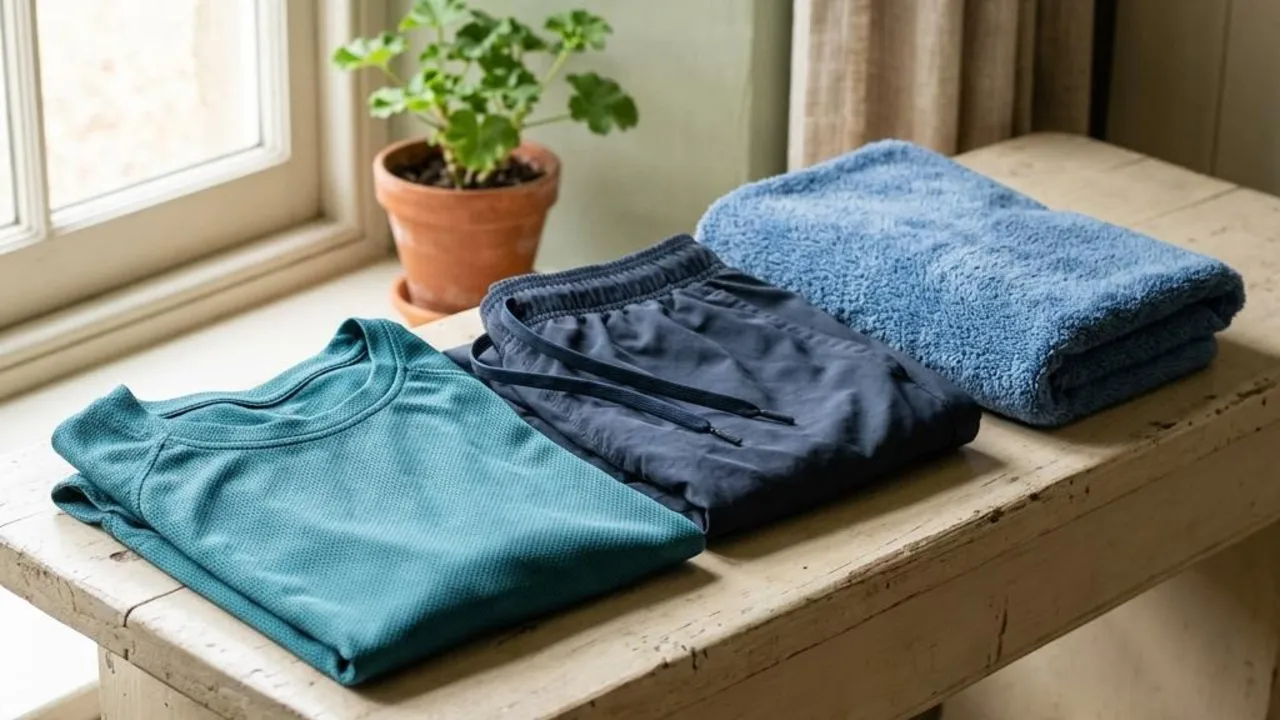
Towel lint may stick to sportswear, so it is better to handle them separately.
Performance tops, compression leggings, and waterproof jackets should not be treated the same.
Performance tops are often polyester, compression leggings frequently contain spandex, and waterproof jackets may have membranes and seam tape. Even if they are all activewear, requirements for water temperature, spin, and tumble drying may differ. Always read the full label; a single 'Activewear Mode' cannot replace specific instructions for all garments.
Prints, reflective strips, and adhesive logos may also be sensitive to heat and friction. Turning garments inside out can reduce surface friction, but it will not make items labeled 'do not tumble dry' safe for drying. If there is coating peeling or loss of elasticity, please take a photo and provide a description first.
If sweat odor keeps recurring, check your washing habits first
If you cannot wash immediately after working out, spread them out in a ventilated area first to avoid leaving wet clothes in a sealed gym bag overnight. Wash according to the label; do not use excessive detergent or fabric softener to mask odors. If residue is not rinsed out thoroughly, it may affect the feel and moisture-wicking performance.
If an odor is slight during drying but becomes noticeable after wearing and sweating, it may be related to residual sebum and odor molecules; simply raising the water temperature may not solve the issue. Heating, long soaking, or strong detergents may damage elasticity and coatings; items should be assessed first.
What items should be removed before sending for laundry?
Sports shoes, knee pads, helmet liners, electronic heated clothing, and items with battery accessories should not be assumed to be included in general laundry-by-weight services. Remove removable electronic components first and inquire if they can be handled; compression wear or gear with specific care methods should also be addressed separately.
Daily washable sportswear can be booked via Laundry Pickup & Delivery, but please note any sweat stains, mud, or functional limitations. Cleaning cannot guarantee restored elasticity, reapplied water-repellency, or the complete removal of all odors.
If I can't wash my sportswear immediately after working out, how should I temporarily store it?
Remove from the gym bag first and spread out breathable clothing; avoid keeping wet towels, sports tops, and clean shirts packed together for too long. For items with mud, sand, dyes, or special contaminants, inquire separately; do not beat them vigorously indoors, and do not mask odors with fragrance.
Nike's care guide reminds you to pay attention to product selection and fabric properties; always follow the care label specific to your gear. Do not apply the same settings to compression tights, waterproof jackets, and cotton T-shirts just because they were worn during exercise.
If odors persist after washing, what should you check first?
Check if detergent usage follows labels, if items are overcrowded, and if they are dried thoroughly as per label. Double detergent doesn't mean it washes out easier; fabric softener may not suit all functional fabrics; do not increase dosage while ignoring product/garment limits.
If leggings have little odour when dry but smell again after you sweat, note your wearing and washing habits, the fabric and the products used, then ask our team about suitable care. Odours have different causes, so complete removal cannot be promised before the garment is assessed.
Additional Information
Nike: How to Wash and Care for Dirty Workout Clothes
Explore airing, washing and everyday care for sportswear, and choose a programme that follows your garment's care label.
GINETEX: Garment Care Symbols and Process Limitations
For reference regarding washing, bleaching, drying, ironing, and professional cleaning symbols; individual garments are still subject to their full labels and brand guidelines.
FAQ
Does fragrant sportswear mean sweat stains have been cleaned away?
Not necessarily. Fragrance does not prove that sebum, dirt, or residues have been removed, nor does it replace complete drying and proper procedures. Evaluation should be based on care labels and actual condition, rather than judgment by scent alone.
Can I use fabric softener on performance tops?
Read clothing and product instructions; do not suggest adding products generally. Some functional fabrics must avoid softeners; follow brand care requirements for moisture-wicking and coatings, rather than increasing dosage for deodorizing.
Is all sportswear forbidden from tumble drying?
Do not generalize. Suitability for tumble drying and heat levels are determined by the full garment label; elastic, prints, coatings, and bonded parts may also have restrictions. Do not select high-temperature or general cycles based solely on fabric names.
Can sportswear be put together with bath towels?
Consider the care requirements and issues like shedding or lint. Towel lint may stick to smooth athletic fabrics, and their thickness and drying needs may also differ; it is better to sort first rather than just looking at the color.
Are sports shoes, knee pads, and electronic heated clothing also considered part of standard laundry-by-weight?
Cannot be assumed directly. Shoes, protective gear, and items with electronic components must be inquired about regarding acceptance scope and procedures; do not mix them into general laundry bags and assume they are confirmed for processing.